


Bug reporting takes time. Here’s how AI helps teams work more efficiently

Key takeaways:
One of the first things potential users see before downloading your app is ratings and reviews.
If they’re bad, it’s highly unlikely users will buy or download your product. And the worse your rating is, the harder it becomes for people to find you.
But when you know how user feedback impacts App Store Optimization (ASO), you can leverage that knowledge for improving your app.
That’s why, in this article, we’re going to look under the hood and explore how reviews affect ASO.
Table of Contents
User trust is at the core of every download and purchase. Even a small tilt, like a few one- or two-star reviews, can make a user doubt your brand.
And when you’re competing in a crowded app store, it becomes even more vital for success.
So, if users’ first impressions are based on reviews that mention bugs, ads, or privacy issues, they assume the developer doesn’t maintain the app well.
A poorly maintained app, in turn, signals you don’t value users, and when users feel like a cash cow, they have no reason to trust you.


Get unreal data to fix real issues in your app & web.
That’s why you must take review management seriously and use reviews as insights for improvement.
However, fixes must be done soon because research shows users are impatient and demand speed both in the app’s performance and in issue solving.
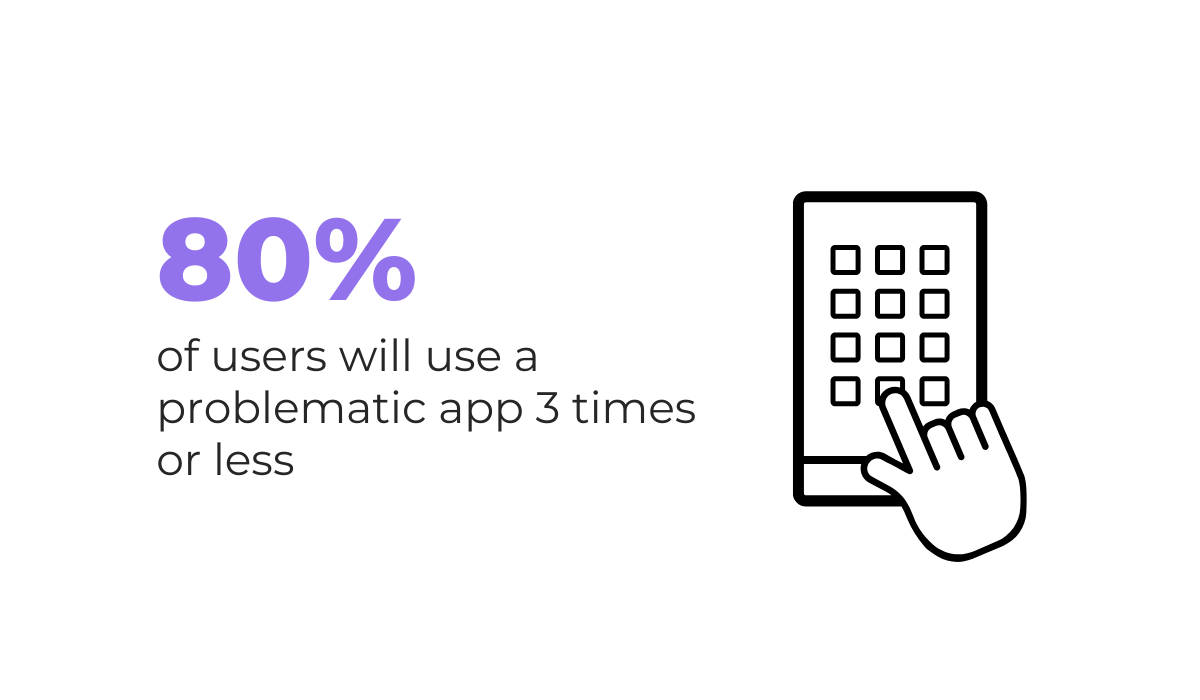
For example, 80% of users in an HP survey published by IT News revealed they will only attempt to use a problematic app three times or less.
In other words, you need to act quickly if you want to keep your users.
Luckily, that’s far easier now than ever before, thanks to tools like Shake.
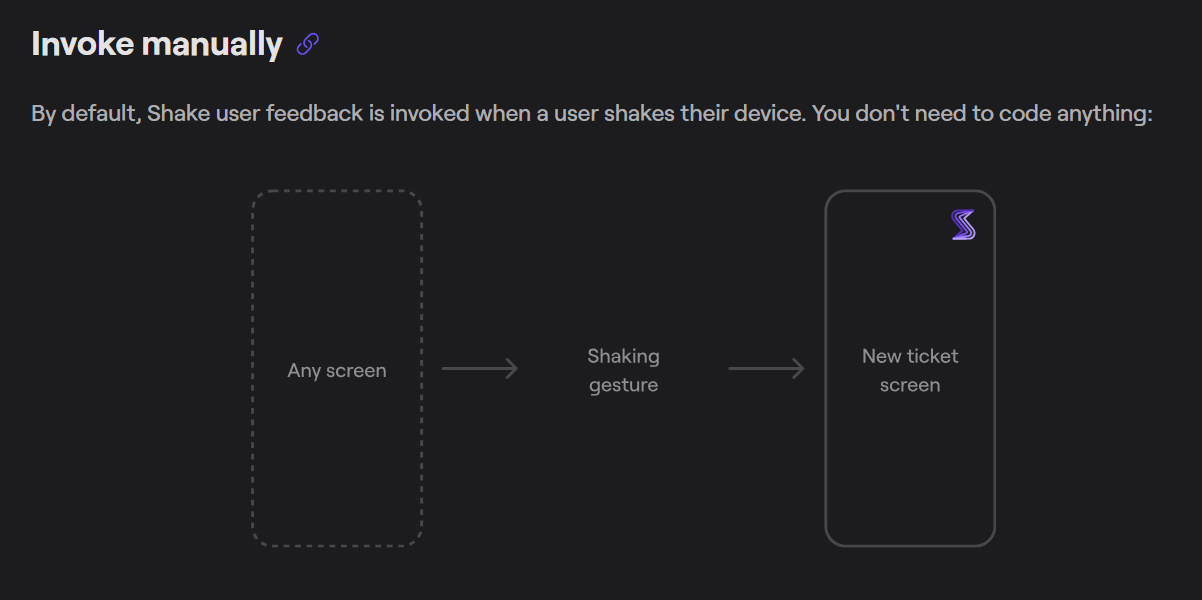
Instead of closing the app and contacting customer service, users can immediately report issues and offer their feedback with just one shake of their phone. It all happens within the app.
Of course, general user feedback is not enough to figure out where the core issue lies.
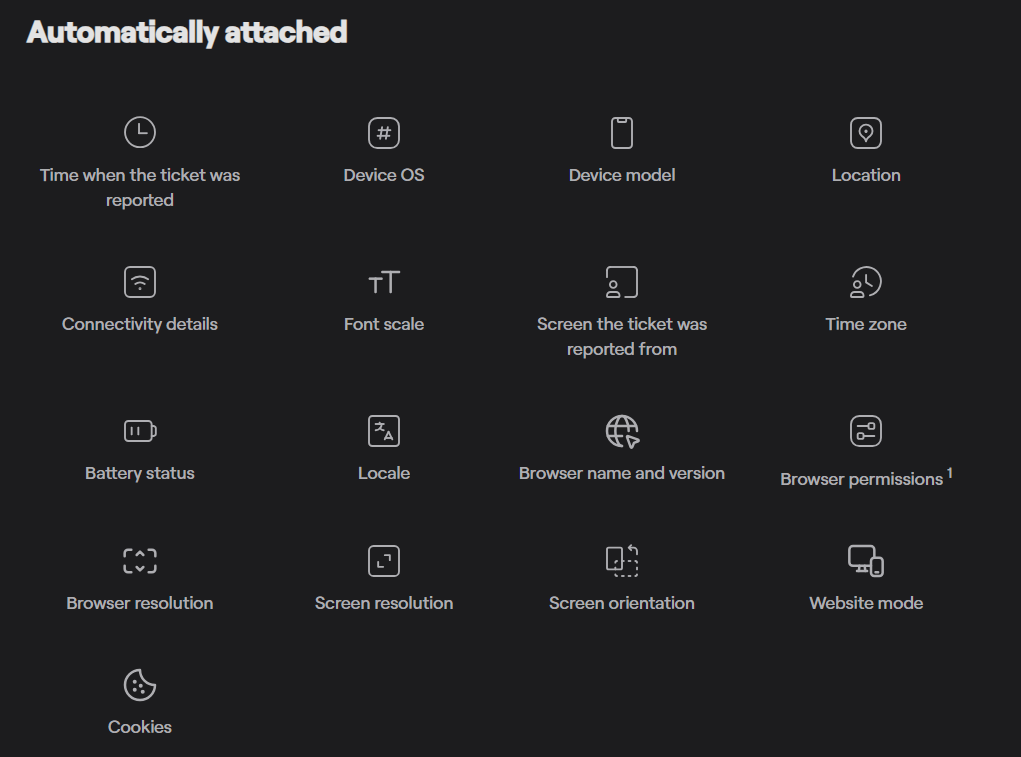
That’s why, along with the user’s report, Shake automatically attaches detailed bug reports, logs, and device info that make reproducing and diagnosing issues faster and as accurate as possible.
Here’s what you’ll find in a typical Shake report:
This combo of accuracy and speed gives you a big advantage. It enables you to address the root cause, not just the symptoms, preventing recurring complaints and repeat negative reviews.
In turn, you get more positive feedback overall, which boosts your ASO.
Potential users aren’t the only ones browsing through your app page and reading reviews.
Current users do that too.
Especially those who are dealing with slow load times, poor UX, excessive permissions, or other frustrating issues that heavily impact uninstall rates.
They may not express their frustration in a written review, but they may uninstall the app if they see other users deal with similar issues and your team is not either replying to reviews or addressing those issues.
There’s a psychological effect at play here.
When users see others complaining about the same problem as theirs, it validates their frustration.
So, what they might have ignored before suddenly becomes a reason to churn.
No wonder user retention is a notoriously difficult issue in the mobile app market.
In fact, research shows that the average retention rate is 25.3% on day 1 but falls to a mere 5.7% by day 30.
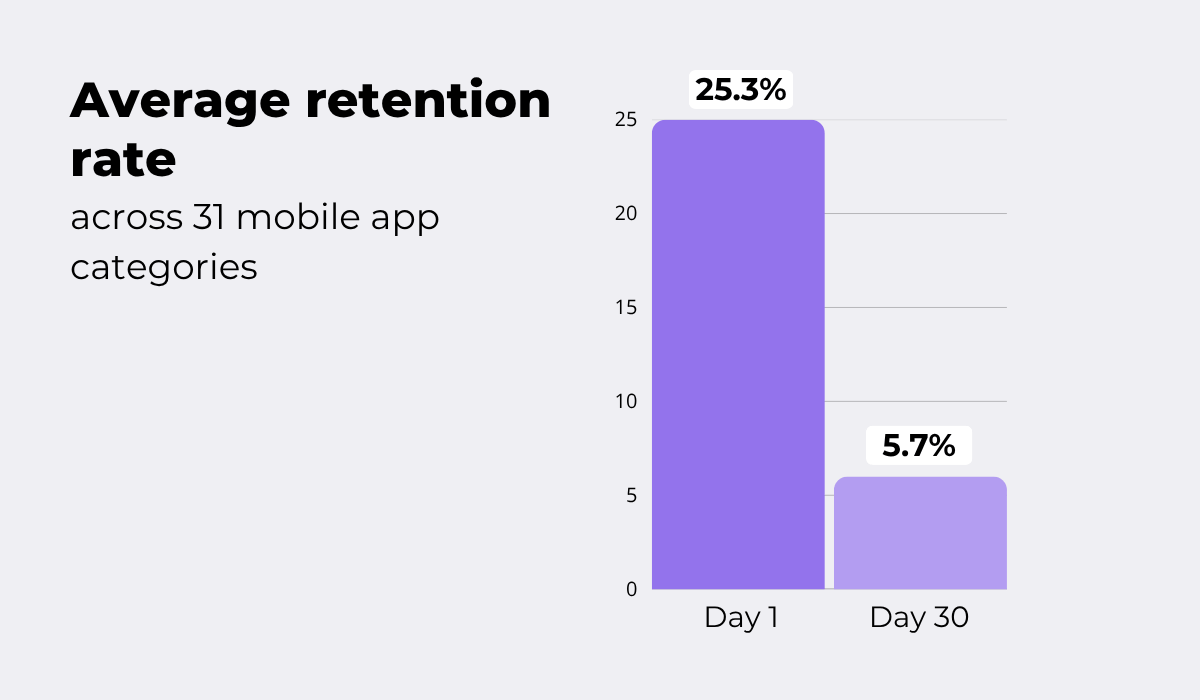
This shows how little room there is for error.
Even small issues, like a confusing onboarding step or a laggy screen, can push users away if they’re repeatedly mentioned in reviews.
To prevent or minimize your uninstall rate, take good notice of the type of issues users report and how they express their frustration.
The more frustrated they seem, the faster you should get rid of the problem.
Tools with robust analytics, like Shake, can be helpful in seeing firsthand how bottlenecks happen.
For example, it can capture app session replays from users.
This way, you don’t need to rely just on users’ subjective descriptions when you’re working on improving your retention rates.
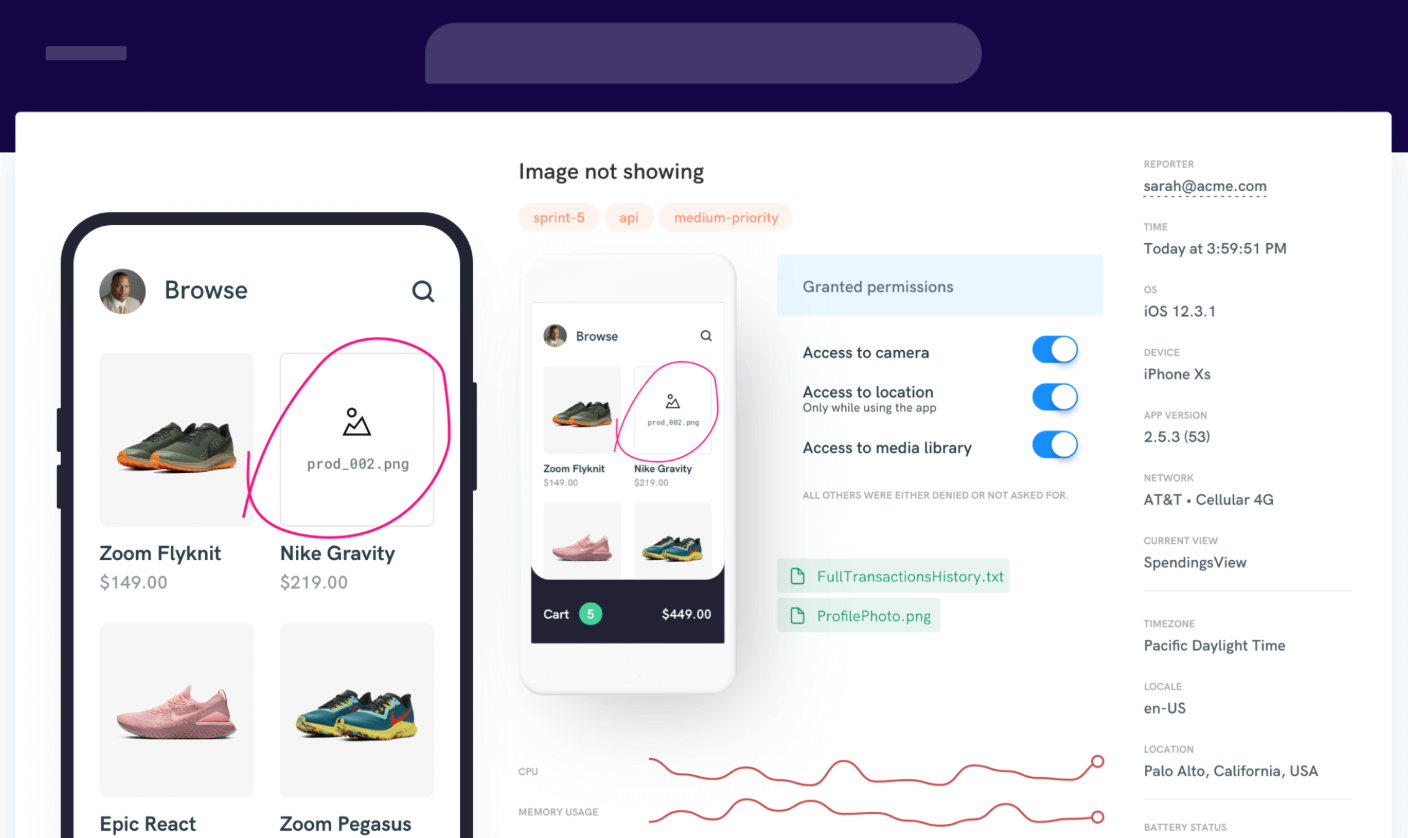
Also, when you combine session replays with the above-mentioned automated reports, you get the whole context. In turn, you can debug faster and work toward a higher retention rate.
Finally, successful handling of issues that impact user retention helps close the feedback loop.
When users see that reported issues are fixed in the next update (and clearly mentioned in release notes), they’ll be more motivated to raise your app’s rating, and with it, your app store ranking.
So, take good care to monitor user reviews, especially those that signal issues that impact your user retention rate.
Negative reviews impact not only users but also app store algorithms.
App stores like Google Play and Apple’s App Store consider average rating and review quality when ranking apps for keywords.
So, the more bad reviews you have, the less likely your app is to be discovered by users in the search results.
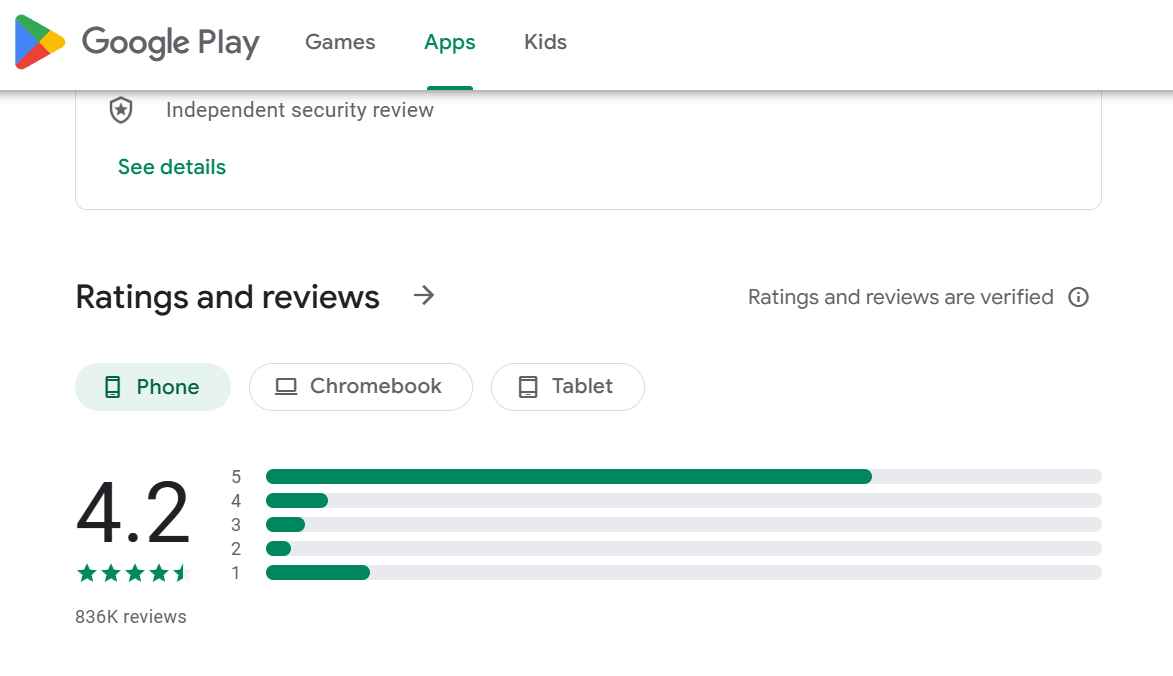
Both stores use keywords as ranking factors, with Apple being more restrictive with fewer indexed fields.
Apple also prioritizes a rigorous manual curation process with a 24- to 72-hour waiting period.
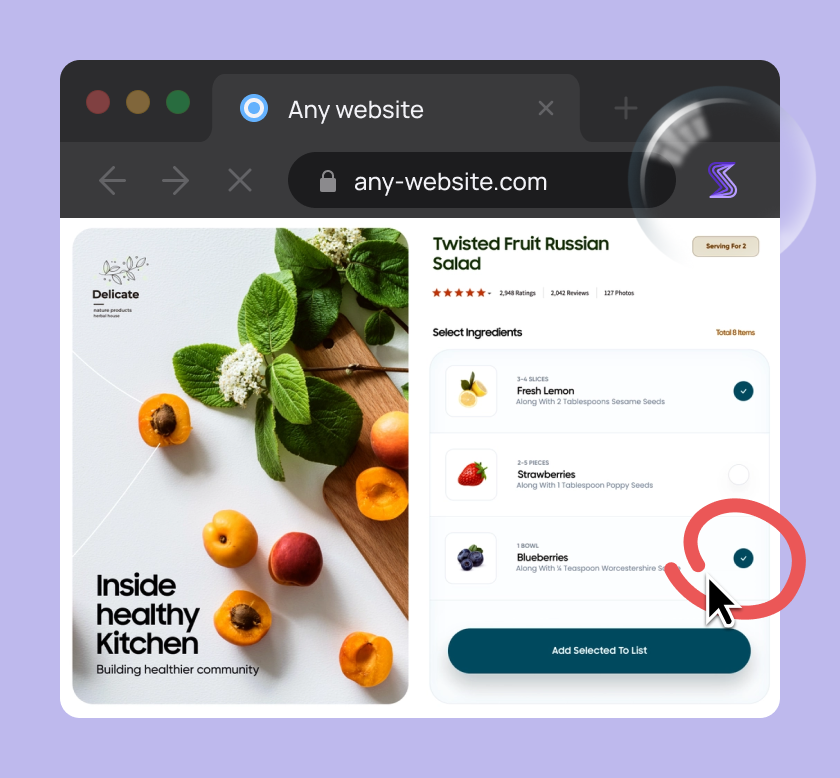

Capture, Annotate & Share in Seconds with our Free Chrome Extension!
That means it’s more difficult to be flexible when testing different app titles or subtitles.
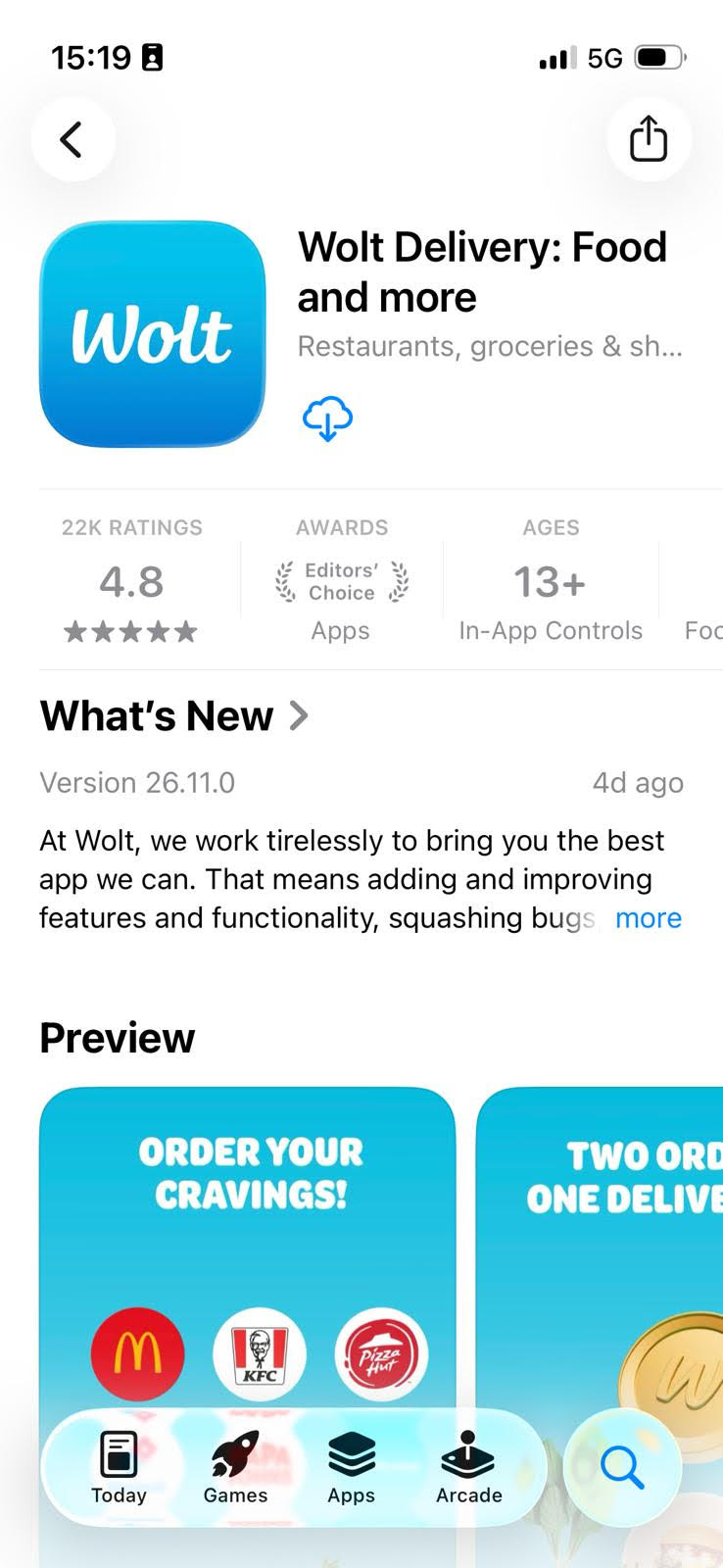
Unlike Google, which bases rankings on all app versions, users in the App Store get shown the average rating for the most recent app version.
Here’s an example:
Now let’s take a closer look at Google Play.
Its ASO works similarly to SEO.
That means there’s a range of ranking factors, such as:
When it comes to reviews, Google Play’s algorithm rewards responsiveness and consistency.
For example, responding to a negative review can increase that rating by an average of +0.7.
So, if you had an average rating of 3.5, when you reply to negative feedback, Google Play’s algorithm could boost your rating to 4.2.
And that definitely sounds better than 3.5, right?
Users think that too.
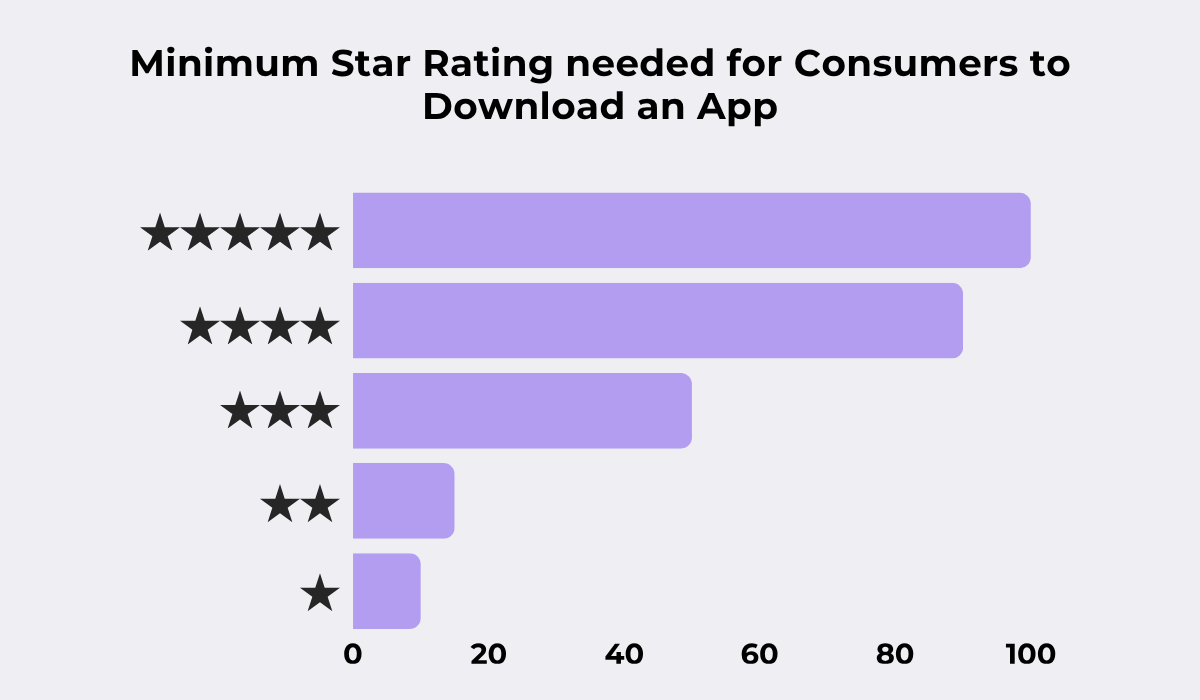
Alchemer’s 2022 report, for example, showed that more than 90% of users require a rating of 4.0 to download an app.
When both app stores and users put that much weight on social proof, ignoring it is practically suicide.
Reviews significantly influence people’s decision-making.
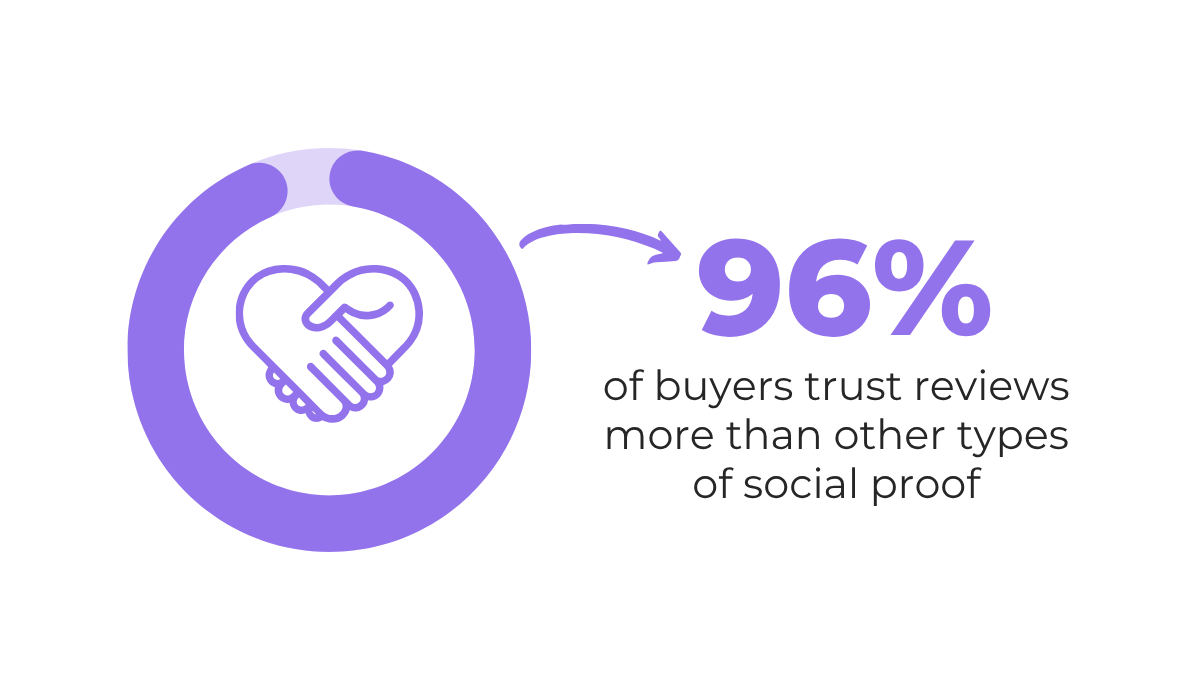
In fact, 96% of buyers value reviews more than other types of social proof, like customer photos or word-of-mouth recommendations from friends and family.
Even if your screenshots, videos, and descriptions are polished, users will still check out reviews to confirm whether the experience matches the promise.
If there’s a mismatch, conversion drops.
Also, negative feedback on Google Play that uses keywords that are deal-breakers for users (hidden paywalls, aggressive ads, or poor data security) can stop conversions entirely, even if those issues affect only a portion of users.
App Store, on the other hand, prioritizes overall ratings. They influence whether your app will be featured or recommended.
They’re placed in different parts of the store, from search results, product pages, featured categories, to in-app ads.
They’re very much unavoidable, so they can, if poor, indirectly harm your ability to rank for valuable search terms.
To address this challenge, actively manage the review section. Pay attention especially to reviews that use keywords that may trigger user abandonment.
Prioritize responding to these and solving the issues mentioned. With each empathic reply and fix, ratings will rise, and with them, your app’s store ranking.
Getting your app featured on a store listing is every developer team’s dream.
More eyeballs are on you, and being recognized by the store’s editorial team gives your brand even more weight.
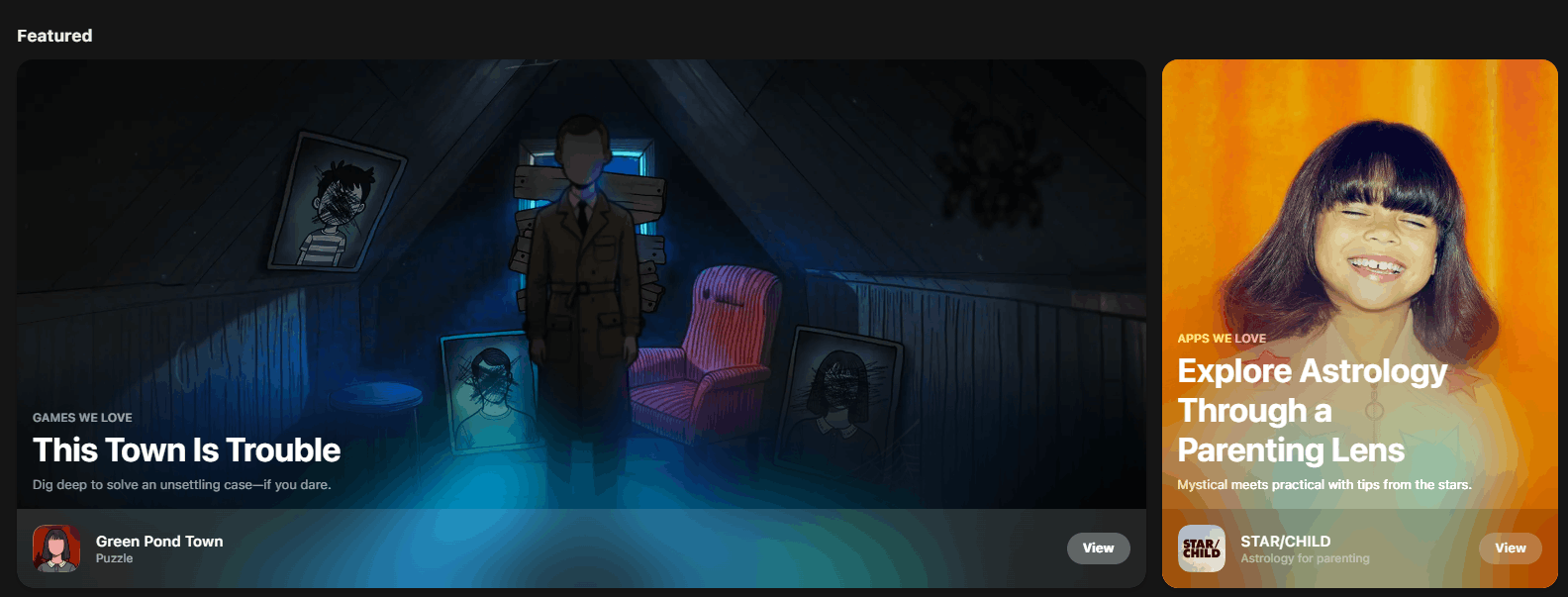
However, when editors and algorithms choose apps for their featured section, they prefer apps with high rankings and positive user feedback.
Editorial teams also take into account other factors. For example, Apple’s App Store considers:
While these elements define whether an app is feature-worthy, ratings and reviews are the most important in deciding to feature the app.
Research showed just that.
According to Apptweak, 90% of featured apps on the App Store and 85% of Google Play featured apps have an average rating of 4.0 or higher.
That makes sense, because despite an app’s technical capabilities, consistently poor feedback signals your product is not download-worthy.
Even in this case, the conclusion is the same: negative user feedback is not to be ignored.
And when you manage it consistently, while staying focused on the app’s design and performance, you get the chance to be featured and discoverable to new users.
Bad reviews impact every stage of your app’s growth, from visibility and conversion to retention and long-term success.
That’s why you should treat reviews as a continuous feedback loop and act on them quickly and thoughtfully. It’ll boost both your store listing position and user ratings.
In the end, brands that listen and respond to their users while improving their product are the ones that rise above the harsh competition.
We hope this article will serve as a stepping stone towards those goals.
From internal bug reporting to production and customer support, our all-in-one SDK gets you all the right clues to fix issues in your mobile app and website.
We love to think it makes CTOs life easier, QA tester’s reports better and dev’s coding faster. If you agree that user feedback is key – Shake is your door lock.
Read more about us here.

Add to app in minutes

Doesn’t affect app speed

GDPR & CCPA compliant

Unexpected things pop up
Just like bugs in your app or web 🐛 Fix them now with just one reporting tool.