



Bug reporting takes time. Here’s how AI helps teams work more efficiently
Key Takeaways:
A single software bug could disrupt hundreds of your users and cost your company valuable time and revenue.
So, you’ll likely want to mitigate any issues as soon as possible and keep disruption to your customers to a minimum.
Modern IT teams do that by deploying hotfixes to live systems.
This approach has many benefits. But to make the most of it, you need to be aware of the potential challenges as well.
In this article, we’ll analyze both the pros and cons. Let’s dive in!
Table of Contents
In many cases, hotfixes are the best “first-pass” solution for IT issues and vulnerabilities.
They are especially valuable for issues that require urgent action, like those causing major disruption or threatening users. Think cybersecurity incidents, critical production bugs, and system outages.
In these scenarios, the biggest advantage of hotfixes is their speed.
They can be deployed more promptly than other alternatives, which delivers three major benefits.
Hotfixes help you address critical problems immediately, without having to wait for a full release cycle.
As mentioned, this is especially handy for issues that can’t be delayed, like broken functionality or security vulnerabilities.
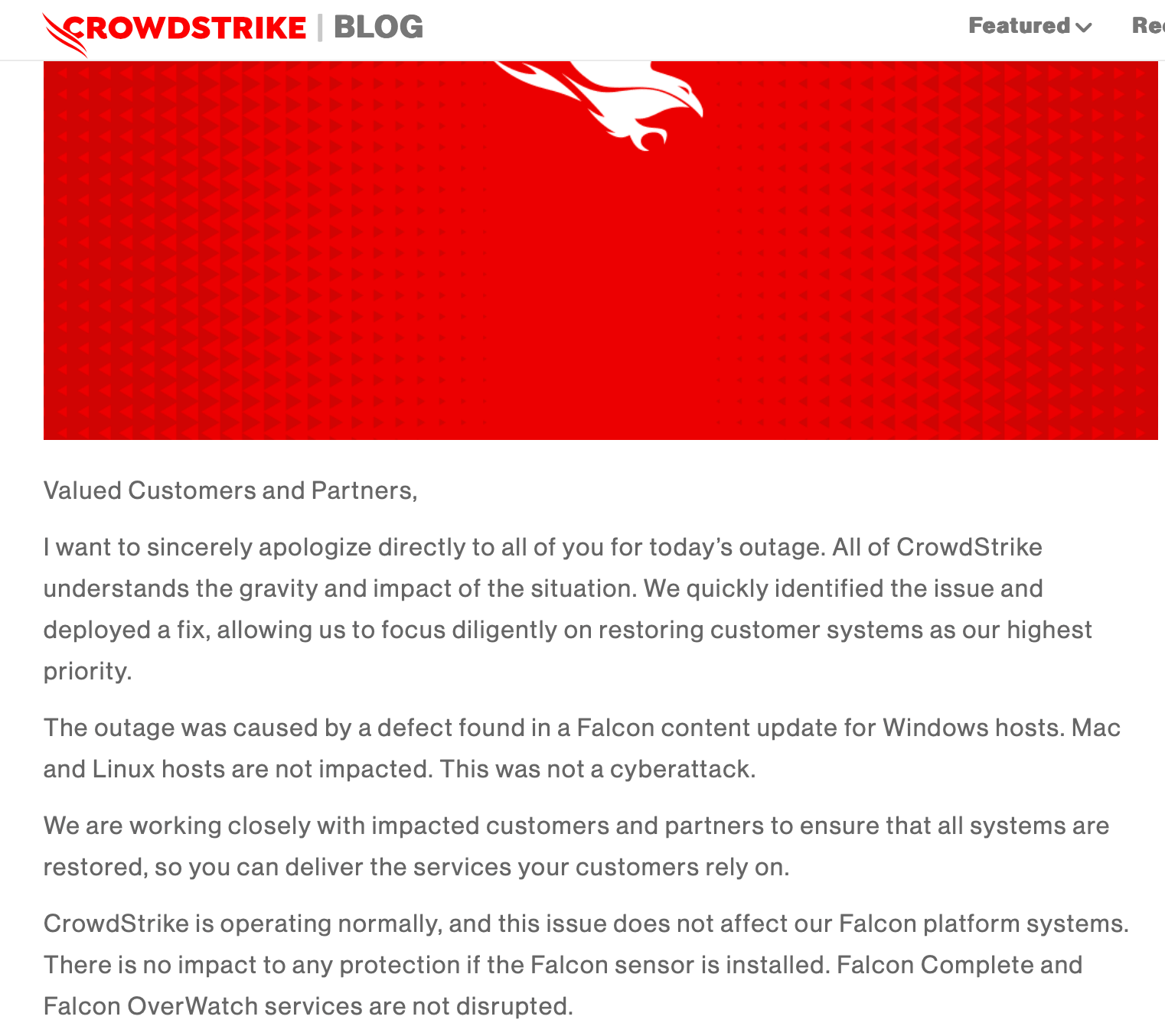
Take the infamous CrowdStrike outage as an example.
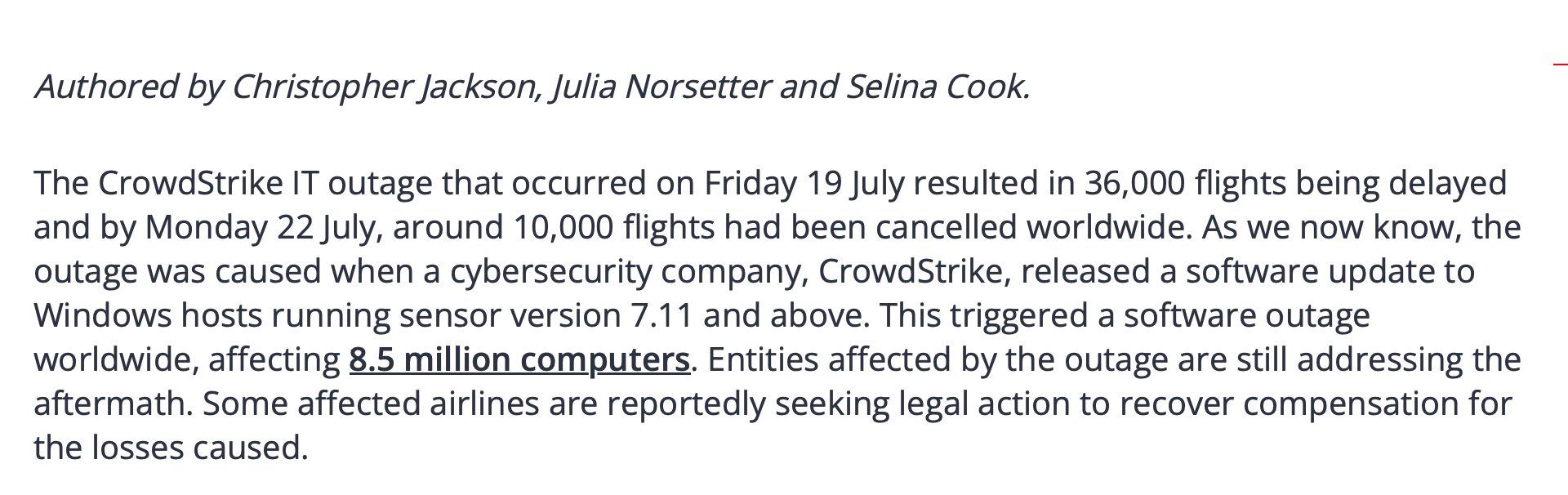
On July 19, 2024, this cybersecurity company released a faulty software update that affected approximately 8.5 million Microsoft devices.
As you can imagine, the company needed to resolve the issue fast.
And that was exactly what they did, announcing that a fix was deployed the very same day.
However, even with a rapid response, the outage still caused major losses.
To be more specific, it is estimated to have caused several billion dollars in damage across the company’s customer base.
For Fortune 500 companies alone, for instance, the losses were estimated at $5.4 billion.
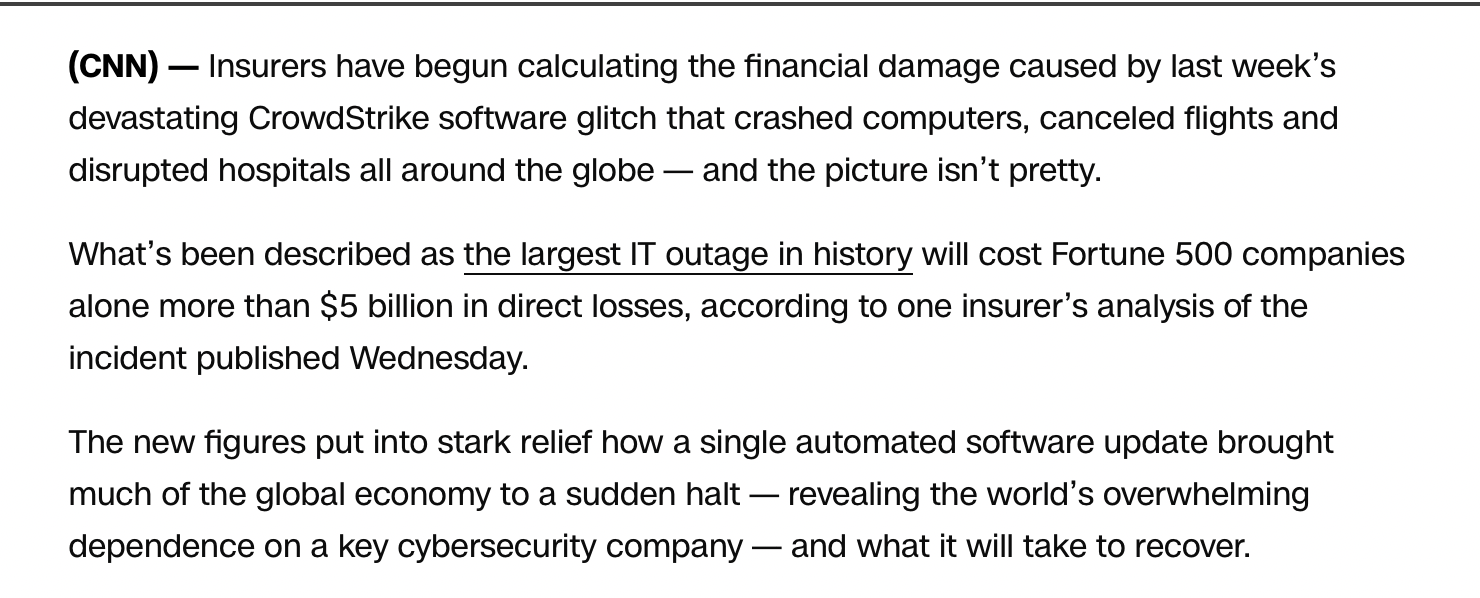
Now, imagine what the losses would have looked like if CrowdStrike hadn’t moved as fast as it did.
It isn’t a pretty picture, is it? That’s why prompt issue resolution is so important.
Of course, one might argue that CrowdStrike is an extreme example, and they would be right.


Get unreal data to fix real issues in your app & web.
Most companies aren’t powering a number of world-renowned enterprises, like Uber, BMW, or Siemens.
CrowdStrike, however, does, so it makes sense that any downtime costs will be high.
Nevertheless, downtime at any scale is costly.
Splunk’s 2024 report, for instance, estimated that the costs average $9,000 per minute for Global 2000 companies. That adds up to a staggering $540,000 per hour!
No matter what the costs look like for your company, though, stakeholders will likely want to minimize them.
So, to keep them under control, developers need to act fast, and hotfixes let them do that.
Alto Pharmacy demonstrated this perfectly.
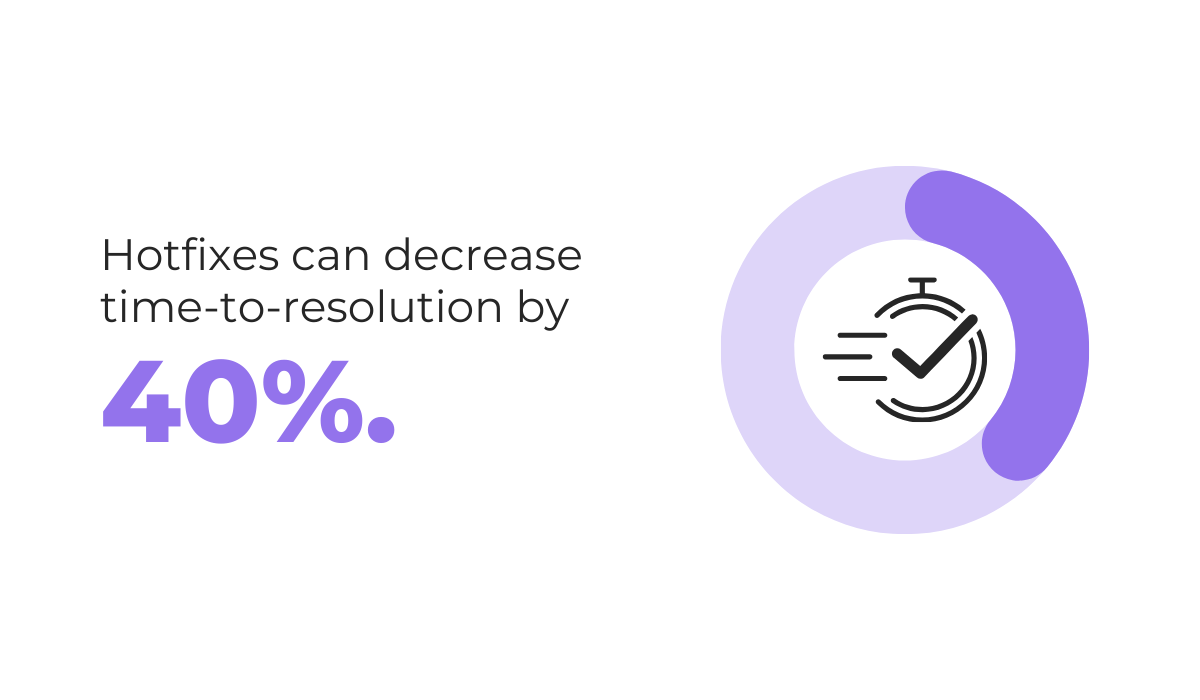
Back in 2021, the full-service digital pharmacy introduced “a hotfix workflow,” essentially adding a hotfix pipeline on top of their standard process.
The results? Time-to-resolution dropped from 30 minutes to just 18, nearly cutting it in half.
To be fully transparent, though, hotfixes are not a long-term solution.
That’s why CrowdStrike, for example, continued assisting customers directly even after applying the initial fix.
Still, hotfixes let you restore system health quickly. And in many cases, that’s what matters the most.
Addressing bugs quickly has another important benefit: it shows users that you’re taking their problems seriously.
This further leads to two scenarios.
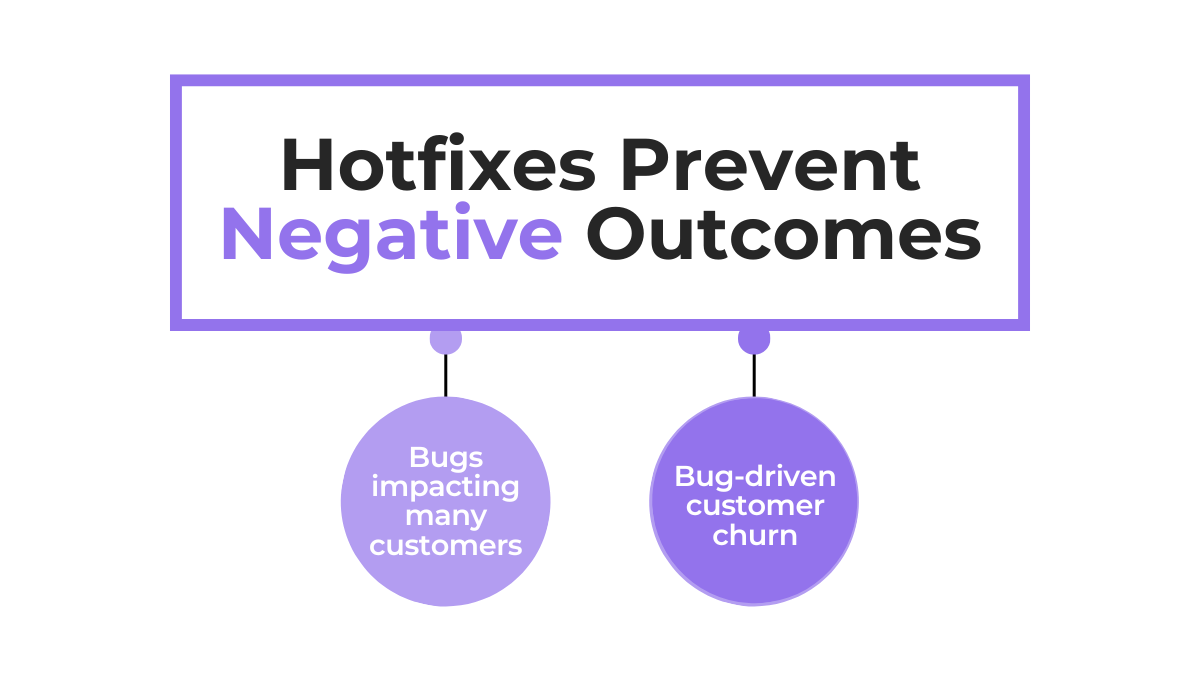
Firstly, it helps prevent trust erosion and the customer churn it could lead to.
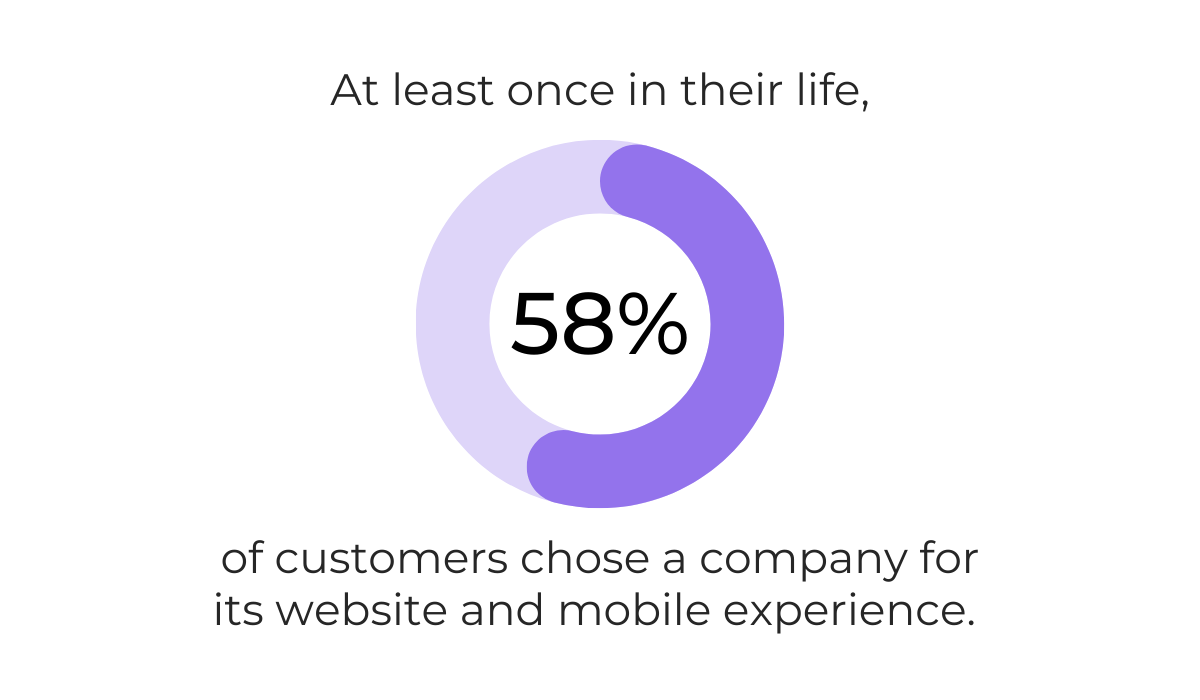
Just consider that, according to a 2024 digital experience survey, 58% of customers chose a competitor solely because of a superior website and mobile experience.
So, if you’re not offering your customers a smooth experience, and your competitors are, expect them to be more likely to choose the alternative.
A completely bug-free experience, however, is rarely realistic.
So, rather than aiming for an ideal scenario, it’s more effective to focus on solutions that help you resolve issues before they impact a large portion of your customers.
That’s where hotfixes come in. By limiting the impact of bugs on customers, they also minimize churn.
But beyond just helping prevent negative outcomes, hotfixes can also lead to positive ones.
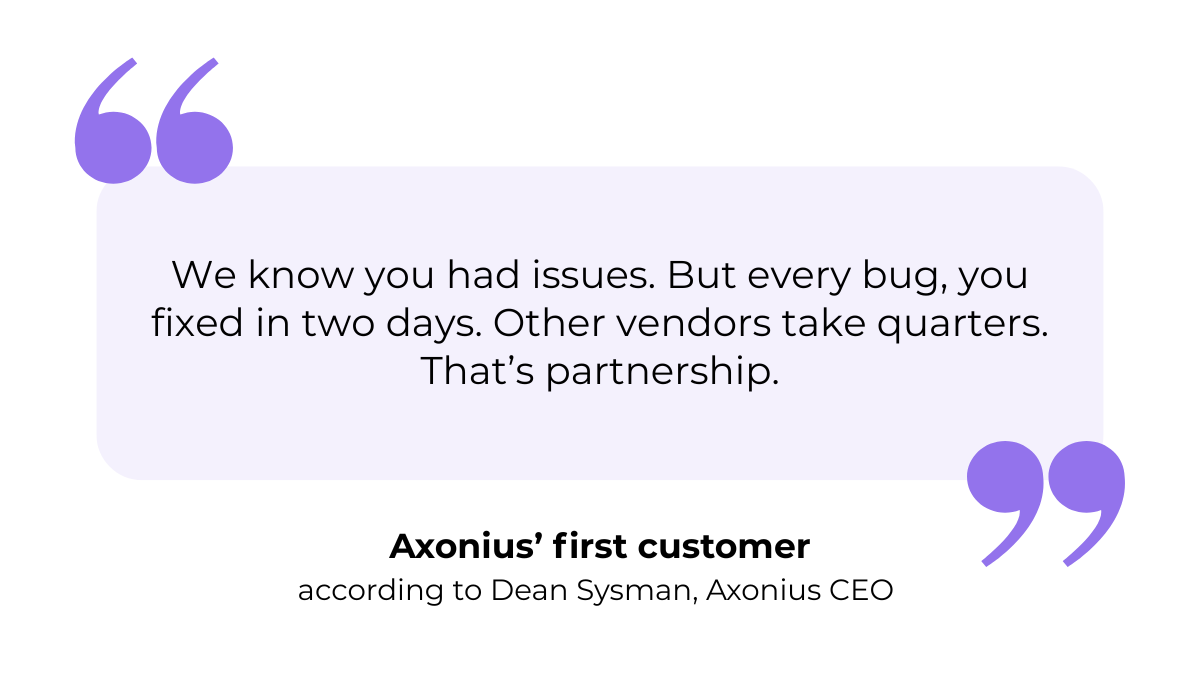
Take it from Dean Sysman, CEO of Axonius, who credits his first sales success specifically to his team’s quick bug resolution.
In the beginning of Axonious’ journey, he recalls, their software was riddled with bugs.
So, after yet another failed proof of concept, he braced himself for another rejection.
However, to his surprise, the buyer decided to move forward with their proposal.
Their reasoning? Axonius demonstrated in real time that it can resolve bugs quickly.
Again, while in an ideal world you’d offer a 100% seamless, bug-free experience, that’s often simply not possible.
So, the next best thing is offering your customers a quick resolution.
As Axonious demonstrates, this can be key in building customer trust, especially in the early stages.
When customers see you’re willing and able to resolve their issues quickly, they gain confidence in both your product and your company.
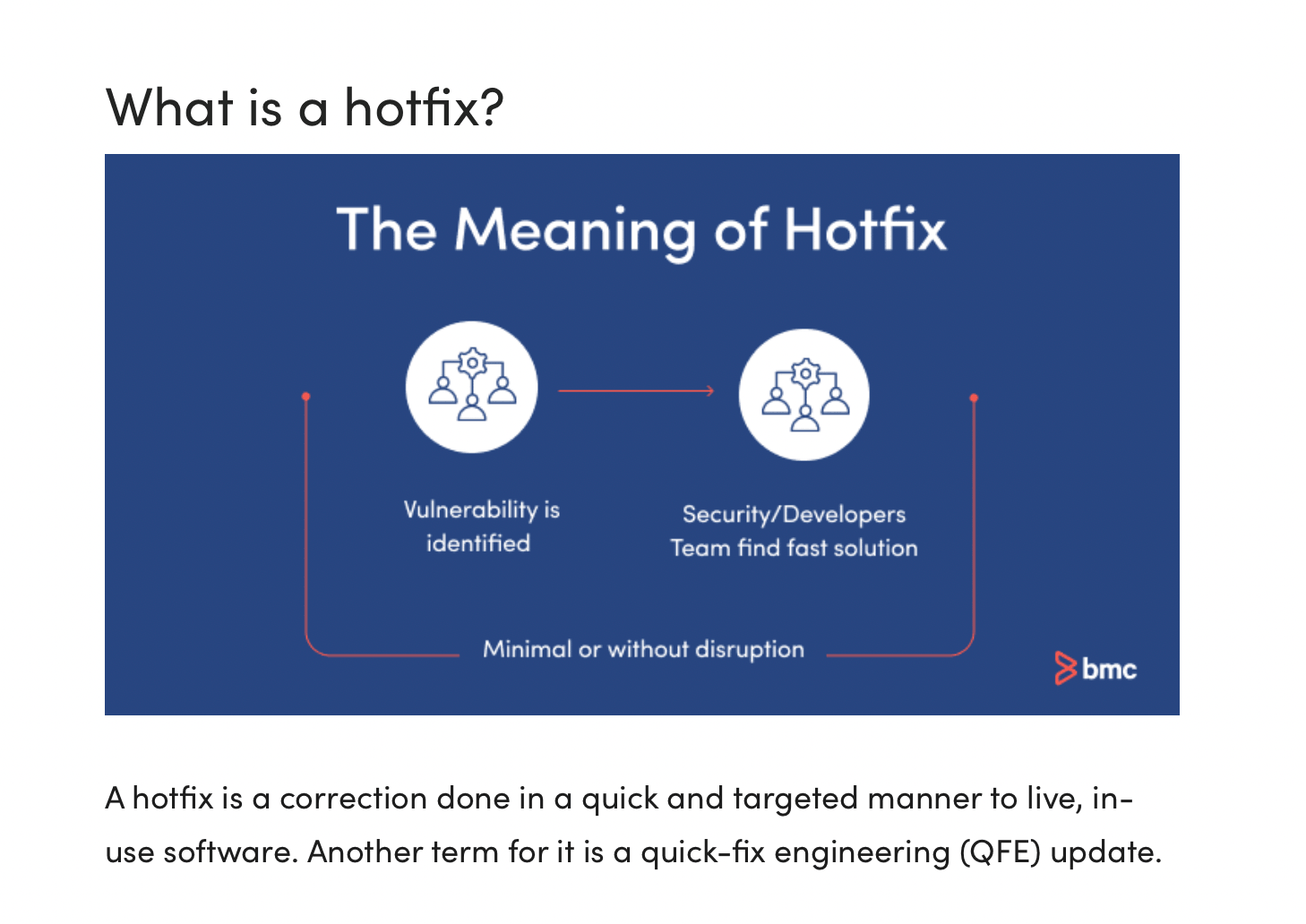
Finally, by definition, hotfixes are applied immediately to live systems, with no downtime or outages.
As B2B software company BMC notes, unlike coldfixes or standard software patches, hotfixes don’t require system or hardware restarts.
The service can continue running without interruption while the issue is being fixed.
This is especially beneficial for end users.
When a service remains operational during a fix, work is not interrupted, sessions are preserved, and workflows can continue as expected.
From the user’s perspective, issues are resolved quietly in the background, without forcing them to stop what they’re doing.
When that continuity is broken, however, the consequences can be severe.
The aforementioned CrowdStrike outage illustrates this point, too.
Even though the issue was resolved the same day, it still led to widespread disruption.
For airlines alone, for example, it caused roughly 10,000 flight cancellations and around 36,000 delays worldwide.
Of course, these numbers would have been far higher if the issue hadn’t been resolved so quickly.
That’s what makes rapid fixes vital: they help stop outages from dragging on and keep revenue from taking a bigger hit.
We saw that hotfixes are often the best solution for urgent IT issues. But that doesn’t mean they’re without drawbacks.
While speed of implementation makes them highly effective, it can also become their biggest risk.
For example, in the rush to deploy a hotfix, teams may miss key issues and end up creating even larger problems over time.
To minimize such pitfalls, it’s important you understand the potential challenges of hotfixes, too.
Hotfixes are typically released under pressure, with little time for comprehensive testing.
Teams usually need to get patches into production fast, so they often rush through engineering and planning.
This haste increases the risk of oversights.
For example, teams may overlook that a patch could introduce regressions or new bugs.
In fact, Zscaler’s Director of Web Development, Mike Madison, cautions that a bad hotfix might create worse problems than the original issue.

However, teams might feel pressured to release fixes even when they realistically shouldn’t.
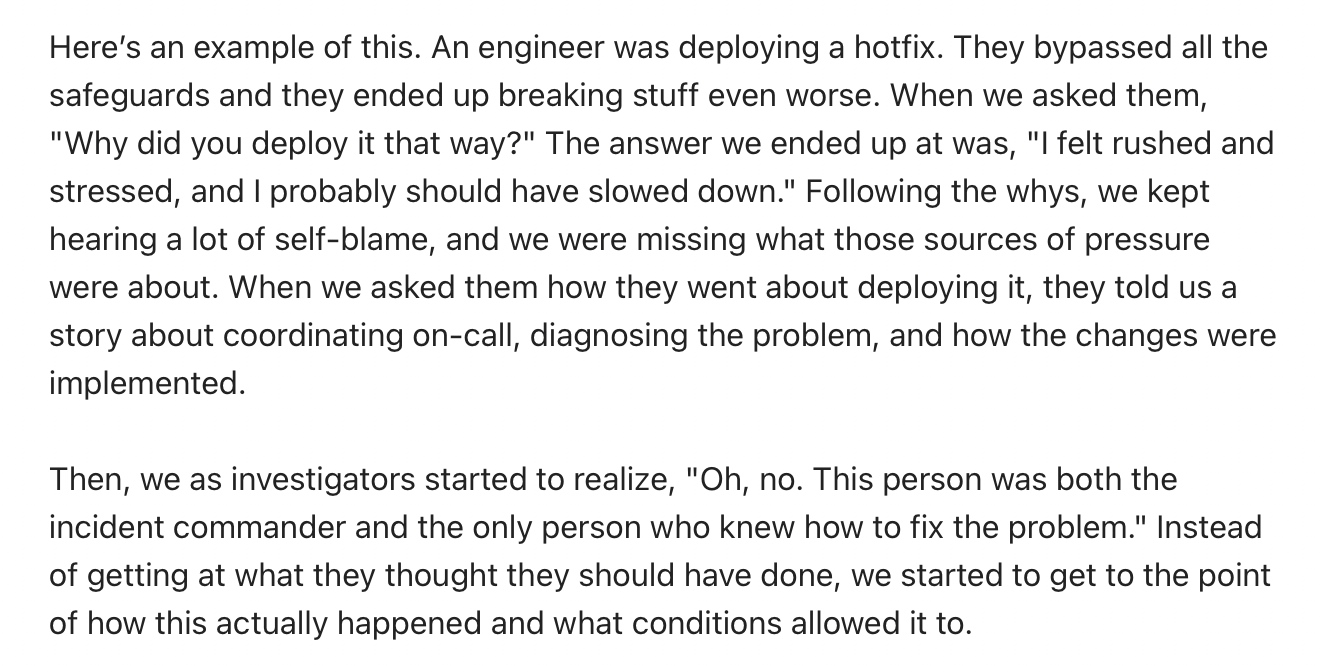
Netflix Site Reliability Engineer, Ryan Kitchens, illustrated this perfectly.
He shared an example where an engineer deployed a hotfix that ended up making the situation worse.
When asked why they deployed it that way, the engineer admitted they felt rushed and stressed.
Further investigation revealed the underlying issue: the engineer was in charge of the incident and also the only person who could fix it.
This dual role created immense pressure and left little opportunity for consultation.
The bottom line?
Companies should be wary of making their engineers, or anyone else for that matter, feel pressured to mindlessly sacrifice quality for speed.
Their processes should also include preventative measures.


Capture, Annotate & Share in Seconds with our Free Chrome Extension!
To avoid compounding issues or introducing new errors, teams should balance speed with quality.
This can include pairing hotfixes with automated tests, feature toggles, and canary releases.
The second challenge with hotfixes is that they’re often too narrowly scoped.
In many instances, they’re solely addressing the symptoms, without even attempting to tackle the root causes of the issue.

As TechTarget’s editor, Ben Lutkevich, explains, short-term fixes can negatively impact the app quality over time.
For instance, they can lead to recurring issues or related bugs appearing later.
This can be more common than most of us would like to think, especially because hotfixes give the illusion of control, as one developer puts it.
After the symptoms are resolved, teams typically become less interested in investigating and fixing the root cause.
Everything looks fine on the surface because the immediate problem is gone.
In reality, though, it’s only a matter of time before the underlying issue resurfaces or causes new problems.

Plus, since hotfixes rarely address the primary cause, additional hotfixes or even full rollbacks are often needed later.
This approach may lock companies into a repeating cycle of fixes.
Finally, rushed implementation can often cause additional compatibility issues.
Data protection provider Infrascale warns that testing any patches on mixed devices and configurations is no easy feat.
And with hotfixes needing to be rolled out fast, proper compatibility testing only gets harder.

So, hotfixes may introduce compatibility issues that might be difficult to detect, diagnose, and fix later.
For instance, they may work in one environment but break something in another. Because testing time is short, it’s easy to miss platform-specific quirks or third-party conflicts.
To counteract this, teams should strive to do at least some testing before deployment.
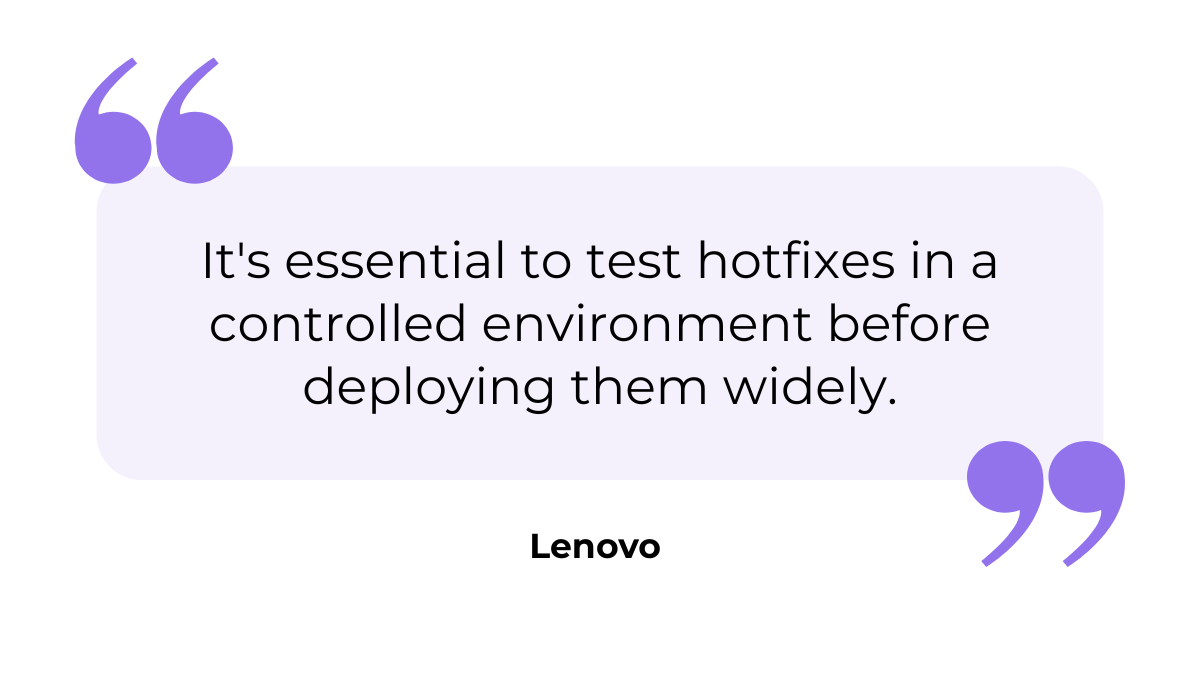
Lenovo emphasizes that this is key in preventing negative impacts on performance:
They go on to explain that these tests should be done in controlled environments before release.
Going about it the opposite way, i.e., resolving issues after production, is more difficult.
For example, some compatibility problems may only affect specific subsets of users, making them harder to detect and diagnose.
Once again, the key lies in finding the right balance between speed and testing. That way, you’ll ensure fewer issues reach your users.
You can’t always predict all the issues hotfixes or any new releases could cause. But what if you could detect them really quickly once in production?
Bug reporting tools like Shake help you do just that.
By giving you immediate visibility into crashes, errors, and user-reported issues, Shake makes it easy to catch bugs before they escalate.
As part of every report, Shake captures rich diagnostic data, including console logs, device and OS details, timelines of user interactions, and custom metadata.
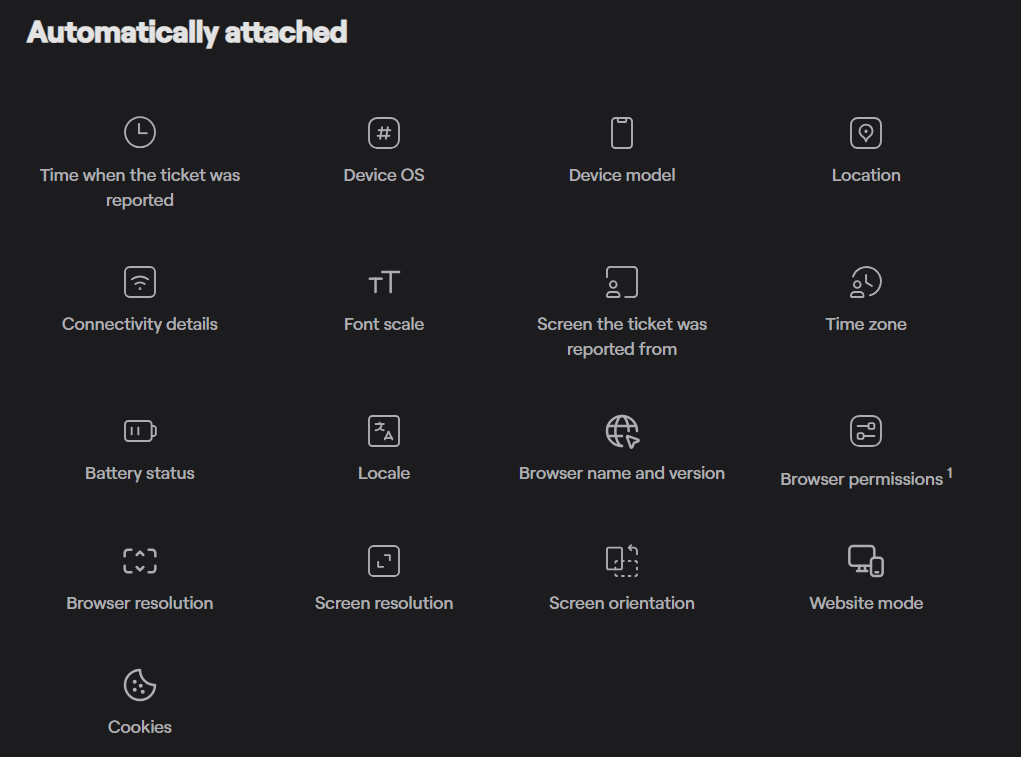
This gives you a clear picture of what was happening in the app at the moment the issue occurred.
And to make issues even easier to understand and reproduce, Shake also automatically attaches screenshots and session videos.
These show exactly what the user saw when the bug appeared.

With this comprehensive diagnostic view, you can pinpoint even hard-to-catch issues, such as compatibility problems affecting specific devices or OS versions.
And when logs and visuals aren’t enough, Shake’s in-app chat lets you contact users directly to clarify edge cases or gather missing details.
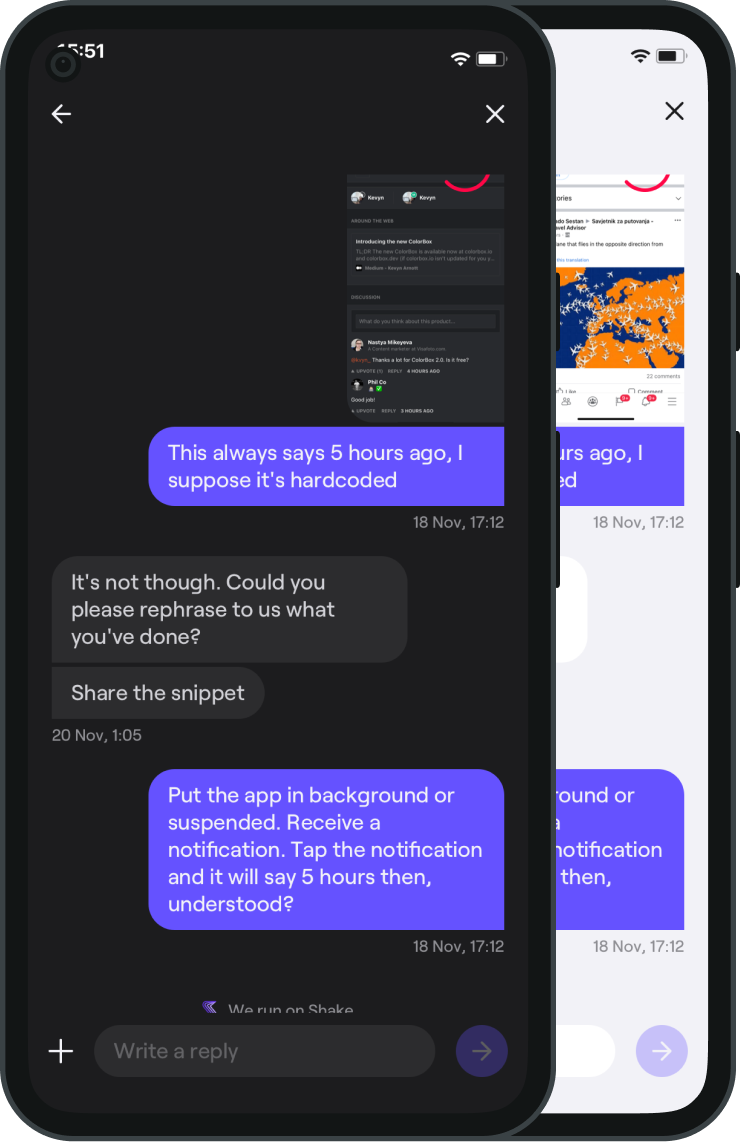
While valuable in any development cycle, this feedback loop becomes especially important when deploying updates with limited testing.
Hotfixes are a powerful way to keep systems running smoothly, tackle urgent issues fast, and protect both users and your company from costly downtime.
But as we’ve seen, speed alone isn’t enough. You still need to balance urgency with testing, quality, and attention to root causes.
Otherwise, you risk creating new problems and getting stuck in a never-ending cycle of fixes.
By understanding these potential hurdles, you can use hotfixes more strategically and deploy them thoughtfully.
When applied correctly, this approach will strengthen both your product and your reputation.
From internal bug reporting to production and customer support, our all-in-one SDK gets you all the right clues to fix issues in your mobile app and website.
We love to think it makes CTOs life easier, QA tester’s reports better and dev’s coding faster. If you agree that user feedback is key – Shake is your door lock.
Read more about us here.

Add to app in minutes

Doesn’t affect app speed

GDPR & CCPA compliant

Unexpected things pop up
Just like bugs in your app or web 🐛 Fix them now with just one reporting tool.